


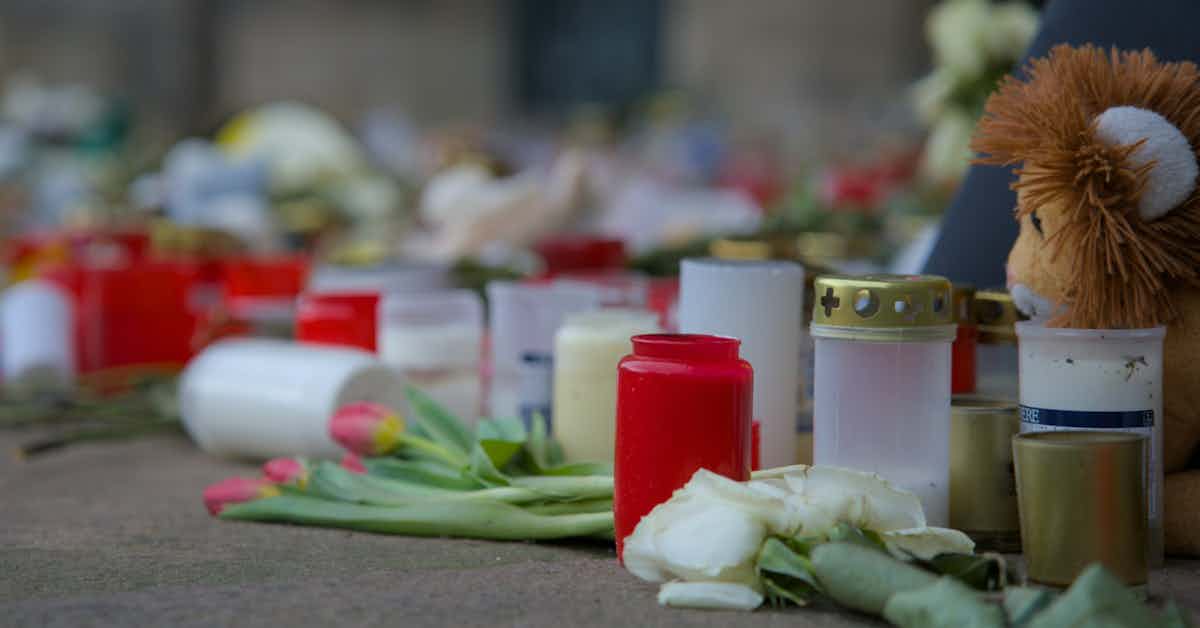
If you’ve lost a loved one due to someone else’s negligence in California, one of the first questions your family will face is: what is this case actually worth?
The honest answer is that wrongful death settlements in California vary significantly — but there is real data on what families actually recover, and understanding it can be the difference between accepting a lowball offer and fighting for the full value of your loss.
Based on analysis of over 950 California wrongful death cases, the average settlement is approximately $973,000, with a median closer to $294,000. Motor vehicle cases typically settle between $500,000 and $2 million. Medical malpractice cases often reach $1 million to $5 million.
This guide covers what drives wrongful death settlement values in California, who can file, key deadlines, and what happens when the insurance company tries to reduce what your family recovers by blaming your loved one.
If you have questions about your specific situation, our San Diego wrongful death lawyers are available 24 hours a day — (619) 333-5555. No fee unless we win.
What Is a Wrongful Death Case in California?
A wrongful death case is a civil lawsuit brought when someone dies as a direct result of another person’s or entity’s negligence, recklessness, or intentional misconduct. California’s wrongful death statute — found at Civil Procedure Code §377.60 — gives surviving family members the legal standing to seek financial compensation for their losses.
Two things are worth knowing upfront. First, wrongful death is a civil matter, entirely separate from any criminal charges that might arise from the same incident. The police handle the criminal side; your family handles the civil side. The outcomes are independent of each other. Second, you don’t have to prove guilt “beyond a reasonable doubt” the way a criminal prosecutor does. In civil court, the standard is lower — a “preponderance of the evidence,” meaning it’s more likely than not that the defendant’s negligence caused the death.
That lower standard matters. Families sometimes assume they can’t win a civil case because criminal charges were dropped or reduced. That’s not how it works.
Who Can File a Wrongful Death Lawsuit in California?
Under California CCP §377.60, the following people have the right to bring a wrongful death claim:
- Surviving spouse or domestic partner
- Children of the deceased
- Grandchildren, if the deceased’s children are also deceased
- Parents, if the deceased had no surviving spouse or children
- Siblings, if there is no surviving spouse, children, or parents
- Stepchildren who were financially dependent on the deceased
- Putative spouse — someone who genuinely believed they were legally married to the deceased
If none of those family members survive, anyone who would inherit under California intestate succession laws can file.
One additional category: people who were financially dependent on the deceased but don’t fall neatly into those categories — a long-term partner, for example, in some circumstances — may also have standing. The rules here are more complicated, and it’s worth talking to an attorney about your specific situation.
What Damages Can a Wrongful Death Claim Cover?
California wrongful death claims allow surviving family members to recover two categories of compensation.
Economic damages are the concrete, calculable financial losses:
- Medical bills from the date of the accident or injury through the date of death
- Funeral and burial costs
- Lost income the deceased would have earned (including future earning capacity)
- Loss of household services — cooking, childcare, home maintenance — that the deceased provided
Non-economic damages cover the losses that don’t come with a price tag but are just as real:
- Loss of love, companionship, and affection
- Loss of guidance and mentorship for surviving children
- Emotional distress and grief
- Loss of consortium for a surviving spouse
In cases where the defendant’s conduct was particularly egregious — gross negligence, intentional misconduct — the court may also award punitive damages. These are rare and are designed to punish rather than compensate. But when they apply, they can significantly increase the total award.
One thing California does not allow in wrongful death claims: recovery for the family’s own pain and emotional suffering as a standalone item. Non-economic damages are tied to the relational losses — what you lost by losing that specific person. An attorney can help you understand exactly what your family is entitled to claim.
How Much Is a Wrongful Death Settlement Worth in California?
This is the question every family asks, and the honest answer is: it depends on the specifics of your case. But that doesn’t mean you’re flying blind. There’s real data on what these cases settle for.
Average Wrongful Death Settlement Amounts in California
Based on analysis of more than 950 wrongful death cases in California from 2019 through 2024:
- Average settlement: ~$973,000
- Median settlement: ~$294,000
The gap between those two numbers matters. A relatively small number of very large verdicts — cases involving breadwinners, multiple defendants, or egregious negligence — pull the average upward. For most families, the median is a more realistic starting point.
Typical settlement ranges by cause of death:
| Cause of Death | Typical Settlement Range |
|---|---|
| Motor vehicle accident | $500,000 – $2,000,000 |
| Medical malpractice | $1,000,000 – $5,000,000 |
| Workplace / construction accident | $300,000 – $1,500,000 |
| Defective product | $750,000 – $3,000,000 |
| Premises liability (slip and fall, etc.) | Mid-six figures to $1,000,000+ |
These are ranges, not guarantees. The specific facts of your case — and the quality of your legal representation — will determine where your case falls within or outside those ranges.
What Factors Affect Your Settlement Value?
The primary drivers of wrongful death settlement value in California:
- Victim’s age and health — younger victims with decades of earning potential ahead of them command higher awards
- Income and future earning capacity — a higher-earning victim means greater economic damages
- Number of dependents — children and a surviving spouse increase the calculated financial loss
- Strength of the negligence evidence — clear, documented fault results in higher settlements; disputed liability creates pressure to accept less
- Defendant’s insurance limits — the policy coverage of the at-fault party sets a practical ceiling in many cases (though assets can also be pursued directly)
- Venue — San Diego County juries have a track record of awarding substantial verdicts in serious cases
What If My Loved One Was Partially at Fault?
This is a question most families are afraid to ask — and one of the most important to understand.
Insurance companies almost always try to pin some of the blame on the person who died. It’s a calculated strategy. Under California’s pure comparative fault rule, your family’s recovery is reduced by the percentage of fault assigned to your loved one. If they can argue your loved one was 30% responsible for the accident, they pay 30% less.
Here’s the key word: try. These fault percentages are negotiated and argued — they’re not handed down like gospel. Our job as your wrongful death attorneys is to push back hard on every attempt to inflate that number.
An example: A $600,000 wrongful death case where the insurance company argues the victim was 25% at fault. If we accept that, your family gets $450,000. If we successfully argue the victim was 5% at fault, your family gets $570,000. That $120,000 difference is why it matters who’s fighting for you.
California’s pure comparative fault system is actually more generous than most states — there’s no threshold below which you lose entirely. Even if your loved one shared significant fault, your family can still recover. But the fault assignment fight is real, and you want an experienced attorney in your corner when it happens.
How Do You Prove Wrongful Death in California?
To win a wrongful death lawsuit, your attorney must establish four legal elements:
- Duty of care — the defendant had a legal obligation to act with reasonable care toward the deceased. A driver owes a duty of care to other people on the road. A property owner owes a duty to people on their premises.
- Breach of duty — the defendant failed to meet that standard. Running a red light, leaving a hazard unaddressed, ignoring safety regulations — these are all breaches.
- Causation — the breach directly caused your loved one’s death. This is where cases can get complicated when there are multiple contributing factors or the opposing party offers alternative explanations.
- Damages — your family suffered real losses as a result of the death. This element is almost always established once causation is proven.
Proving these elements requires evidence — and gathering that evidence quickly matters. Surveillance footage gets overwritten. Witnesses’ recollections fade. Physical evidence at an accident scene deteriorates or disappears.
Depending on the type of accident, evidence might include police accident reports and investigation findings, video surveillance from nearby cameras, cell phone records, medical records, expert witness testimony, and a prior history of safety violations by the defendant.
The earlier an attorney gets involved, the more of this evidence can be preserved and documented properly.
How Long Do You Have to File a Wrongful Death Lawsuit in California?
The standard deadline — the statute of limitations — is two years from the date of your loved one’s death. Miss that deadline, and you almost certainly lose your right to file entirely.
But the standard deadline isn’t the only one that applies, and the exceptions can cut both ways.
If a government entity was responsible — the City of San Diego, San Diego County, Caltrans, a school district — the clock moves much faster. You typically have only six months to file a government tort claim before you can pursue a lawsuit. Six months can pass faster than you expect when you’re grieving.
If the death involved medical malpractice, the statute of limitations is three years from the date of the injury (or one year from when you discovered the negligence), but no more than one year from the date of death. Medical malpractice cases have their own complex rules — get legal advice early.
The bottom line: don’t wait. Evidence becomes harder to gather, witnesses become harder to locate, and the legal options narrow the longer you wait. A consultation costs nothing and locks in nothing — but it gives you a clear picture of your rights before any deadline passes.
The Difference Between a Wrongful Death Claim and a Survival Action
Most families don’t know this, and most legal guides don’t explain it clearly: there are actually two separate civil claims that can arise from a wrongful death in California.
A wrongful death claim (under CCP §377.60) is the claim the surviving family members bring for their losses — financial support, companionship, grief.
A survival action (under CCP §377.30) is a completely separate claim brought by the deceased person’s estate for the losses the victim experienced — the pain and suffering, medical expenses, and lost earnings the deceased personally endured from the time of the injury until death.
Both claims can be pursued simultaneously. When there was a significant gap between the injury and the death — a hospital stay, medical treatment, extended suffering before death — the survival action can add substantial value to the overall case. An experienced wrongful death attorney will identify both claims from the beginning and pursue both.
How a San Diego Wrongful Death Attorney Can Help Your Family
Representing yourself in a wrongful death case is technically possible. It’s also a serious mistake in almost every situation.
Insurance companies have experienced claims adjusters and defense attorneys whose job is to minimize what they pay. They know the legal standards, they know how to dispute damages, and they will absolutely argue that your loved one bears more responsibility for what happened than they actually do.
Here’s what changes when you have the right attorney in your corner:
Investigation capacity. We retain accident reconstruction experts, medical experts, and forensic specialists. We move quickly to preserve evidence — request surveillance footage before it’s deleted, depose witnesses before memories fade, document the scene before it changes.
Fighting low-ball offers. Initial settlement offers from insurance companies are almost never the right number. We know what these cases are worth, and we don’t accept offers that don’t reflect the full value of your family’s losses.
Comparative fault defense. When insurers try to pin blame on your loved one, we push back with evidence and argument. Every percentage point matters.
No upfront cost. We work on contingency — no fee unless we win. Our families are dealing with enough. Adding a legal bill to the list is not something we do.
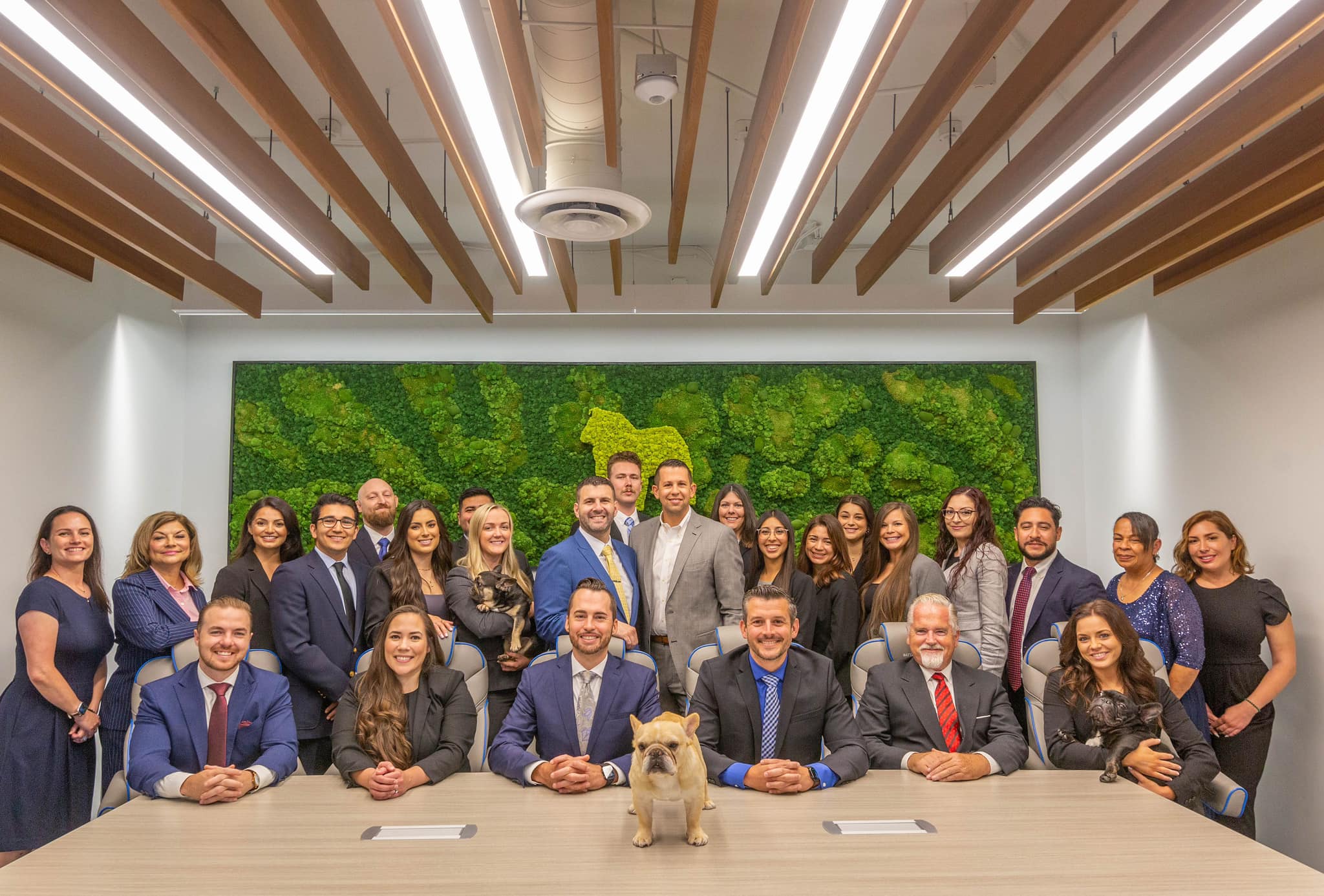
Paul Batta and Dan Fulkerson have handled thousands of personal injury cases in San Diego County, including wrongful death. Together, they’ve recovered nearly $250 million for clients across Southern California, with a 98% success rate. We know the courts, we know the defense firms, and we know how to build a case that gets our clients what they’re owed.
We’d be glad to talk through your situation. See what our clients say about working with us.
Frequently Asked Questions About Wrongful Death in San Diego
Who can file a wrongful death lawsuit in California?
Under California CCP §377.60, a surviving spouse or domestic partner, children, and grandchildren (if the deceased’s children are also deceased) have first priority to file. If none of those family members survive, parents, siblings, and financially dependent stepchildren may file. Anyone entitled to inherit under California intestate succession laws can file if no direct relatives survive.
What is the statute of limitations for wrongful death in California?
In most cases, two years from the date of death. If a government entity was involved, the deadline shrinks to six months to file an initial government tort claim. Medical malpractice wrongful death cases follow different rules — generally three years from the injury or one year from discovery of negligence, but no more than one year from the date of death.
How much is a wrongful death settlement worth in California?
The average California wrongful death settlement is approximately $973,000, though the median is closer to $294,000. Motor vehicle wrongful death cases typically settle between $500,000 and $2 million. The specific value depends on the victim’s age, income, number of dependents, strength of the evidence, and the defendant’s insurance coverage.
What is the difference between a wrongful death claim and a survival action?
A wrongful death claim is the family’s claim for their own losses — financial support, companionship, grief. A survival action is the estate’s separate claim for what the deceased personally suffered — pain, medical expenses, and lost earnings from injury to death. Both claims can be filed simultaneously and add up to a larger total recovery.
Can I still recover damages if my loved one was partially at fault?
Yes. California uses pure comparative fault, which means your family’s recovery is reduced by your loved one’s percentage of fault — but not eliminated. A 20% fault finding on a $500,000 case means your family recovers $400,000, not zero. Insurance companies regularly try to inflate the victim’s fault percentage; having an attorney counters that strategy.
Can you file a wrongful death lawsuit if the at-fault party is also facing criminal charges?
Yes. The civil wrongful death lawsuit is completely separate from any criminal proceedings. Even if criminal charges are reduced or dismissed, your civil claim can still succeed — the legal standards are different.
How long does a wrongful death lawsuit take to settle in California?
Most cases settle within 12 to 24 months. Cases with clear liability and cooperative insurers can resolve in 6 to 12 months. Complex cases involving disputed liability, multiple defendants, or high damages may take 2 to 3 years, particularly if they go to trial.
Talk to a San Diego Wrongful Death Lawyer — Free Consultation
Losing someone is devastating. You shouldn’t have to navigate a complicated legal process on top of that grief without guidance.
If someone else’s negligence took your family member from you, you have rights under California law — and a limited window to act on them. Our San Diego wrongful death attorneys will review your case at no cost, explain your options clearly, and tell you honestly what we think your case is worth.
Paul Batta and Dan Fulkerson have recovered nearly $250 million for injured San Diegans and their families. 98% success rate. No fee unless we win.
Call us at (619) 333-5555 — we’re available 24 hours a day. Or reach us online and we’ll get back to you the same day.
You deserve to know your options. Let us help you understand them.
We trust you found value in this blog article: Wrongful Death Settlements in California: What Your Case Is Worth (2026). We also hope you never need us, but if you or anyone you know might, we are always here to help!