


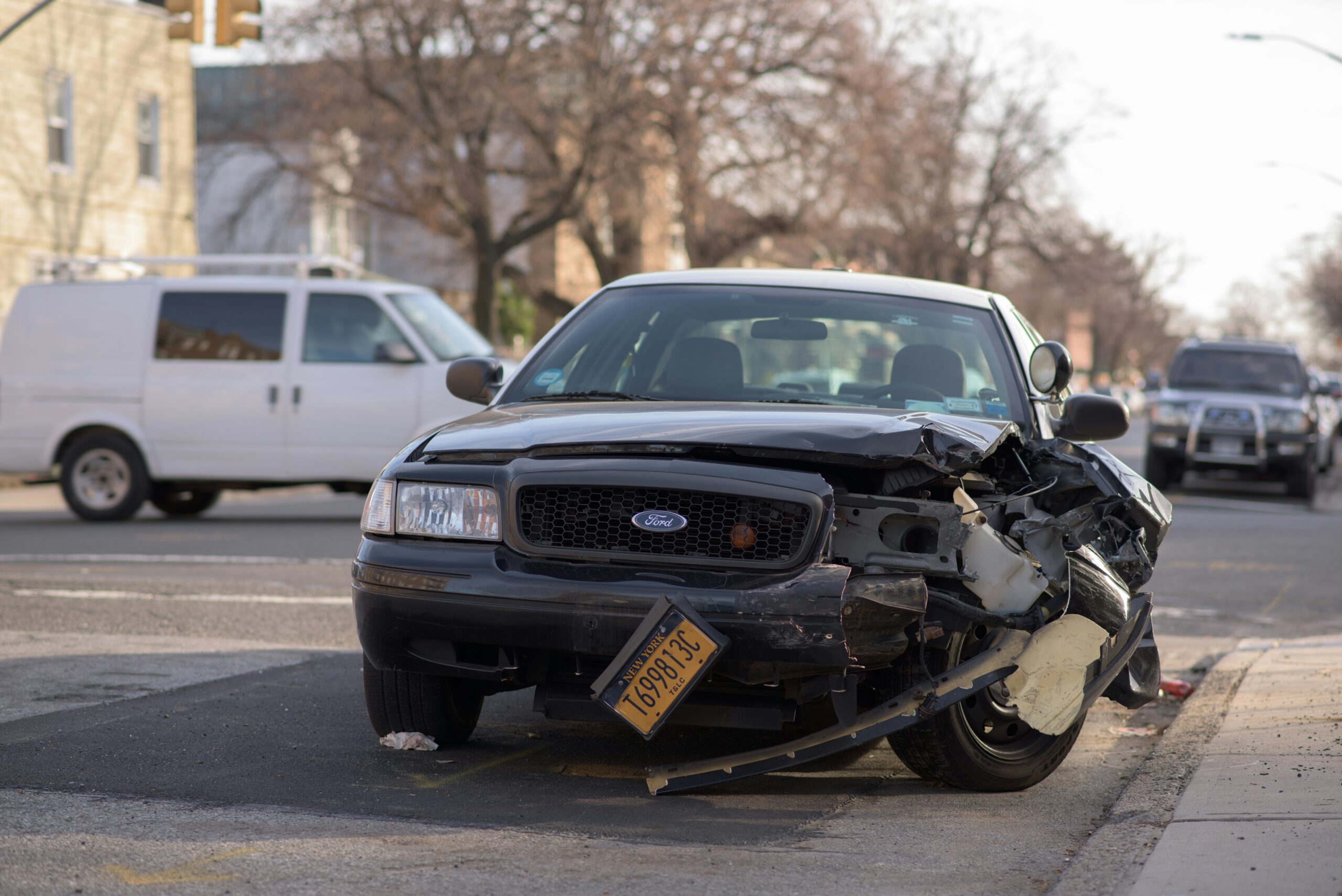
Our Step-by-Step Guide on What to Do After a Car Accident in San Diego in 2026
The moments right after a car accident in San Diego are disorienting. You’re shaken, you may be in pain, and you’re not sure what to do first. The decisions you make in the next few hours — and the ones you avoid — have a direct impact on your health, your claim, and how much you ultimately recover.
This guide walks you through what to do after a car accident in San Diego, step by step. We’ve handled over 15,000 accident cases here and recovered more than $100 million for our clients. These are the steps that protect people. These are the mistakes that cost them.
Step 1 — Make Sure Everyone Is Safe
Before anything else, check yourself and every passenger for injuries. If anyone is hurt, or if vehicles are blocking traffic, call 911 immediately. Don’t try to assess the full extent of injuries on your own — adrenaline masks pain, and what feels minor at the scene can turn out to be serious.
Turn on your hazard lights. If it’s safe and your vehicle can move, pull to the shoulder or a nearby parking lot to clear the lane. If the cars are too damaged to move, stay inside with your seatbelt on until help arrives.
Don’t leave the scene. In California, leaving the scene of an accident involving injury or death is a felony.
Step 2 — Call 911 and Secure a Police Report
Call 911 any time there are injuries, significant vehicle damage, or if the other driver appears impaired. A responding officer will document the scene, gather witness statements, and file an official collision report — which becomes the foundation of your insurance claim and any legal action.
Do You Have to Call Police for a Minor Accident in San Diego?
You’re not legally required to for minor accidents with no injuries, but you should. A police report is the most reliable documentation of what happened and who was at fault. For non-injury accidents where SDPD can’t respond, call 619-531-2000. For accidents on freeways or in unincorporated San Diego County, the California Highway Patrol (CHP) responds instead of SDPD.
What to Do If SDPD Doesn’t Come to the Scene
If officers don’t respond to a minor accident, file a self-report at your nearest SDPD station or online at the San Diego Police Department’s website. You’ll need the other driver’s information to complete it — get it before you leave the scene.
Step 3 — Exchange Information and Document Everything
This is where many accident victims fall short — they get the basics and think they’re done. Here’s what you actually need.
What Information to Collect from the Other Driver
- Full name and driver’s license number
- Insurance company name and policy number
- Vehicle make, model, color, and license plate
- Phone number
- Name and contact info of any passengers
- Contact information from any witnesses — get it before they leave
Photos and Evidence That Protect Your Claim
Take photos of everything before any vehicles are moved: all vehicle damage from every angle, the position of vehicles in the roadway, skid marks and debris, traffic signals and signage, and any visible injuries. If there are traffic or security cameras nearby — gas stations, intersections, businesses — note their locations. We often send preservation letters to businesses to secure footage before it’s overwritten.
Step 4 — Get Medical Attention, Even If You Feel Fine
This step is the one people most often skip — and the one they most often regret.
Adrenaline is powerful. It can suppress pain for hours after an accident. Whiplash, herniated discs, traumatic brain injuries (TBI), and internal bleeding frequently don’t produce clear symptoms until 24 to 72 hours after impact. By then, if you haven’t seen a doctor, the insurance company has grounds to argue your injuries aren’t accident-related.
Why Delayed Injuries Are Common After Car Accidents
Soft tissue injuries — the muscles, tendons, and ligaments around your spine and neck — are particularly prone to delayed presentation. You may feel a vague stiffness the day of the accident and wake up two days later unable to turn your head. See a doctor within 24 hours. An urgent care clinic works if your primary care physician isn’t available. Insurance adjusters will point to every gap in your medical care as evidence your injuries aren’t serious.
Step 5 — File Your SR-1 Form with the California DMV
California law requires you to file an SR-1 form with the California DMV within 10 days of any accident involving injury, death, or property damage exceeding $1,000. Failure to file within 10 days can result in your driver’s license being suspended — even if the accident wasn’t your fault.
This step is missing from nearly every competitor guide. It’s not optional, and the DMV doesn’t send reminders. The SR-1 form is available at any DMV office or on the DMV’s website. You’ll need the other driver’s information and basic accident details. If your attorney is handling your case, confirm with them that it’s been submitted.
Step 6 — Notify Your Insurance Company (and Watch What You Say)
Report the accident to your own insurance company promptly. Most policies require notification within a “reasonable time” after a crash, and some contracts specify 24 to 72 hours. Delayed reporting can complicate your own coverage.
Should You Talk to the Other Driver’s Insurance Company?
No — not without speaking to an attorney first. The other driver’s insurance adjuster is not on your side. Their job is to close your claim for as little money as possible. When they call — and they will call quickly — they’ll ask to record your statement. That recording is then reviewed for inconsistencies, used to minimize your injuries, and held up as evidence of comparative fault.
Just say no. You are not legally required to give a recorded statement to the other driver’s insurer. Say you’ll be in touch through your attorney and end the call. Do not post anything about the accident on social media — photos, comments, and check-ins can and will be used against you.
Step 7 — Talk to a San Diego Car Accident Attorney
You don’t have to figure out what your case is worth on your own. A San Diego car accident lawyer can assess the full picture — your injuries, the liability evidence, the insurance coverage involved — and tell you exactly what you’re entitled to. Most consultations are free, and at Batta Fulkerson, there are no fees unless we win. Request a free consultation to get started — same-day response, direct attorney access.
The data is clear: a 2019 Insurance Research Council study found that accident victims with attorneys received settlements 3.5 times higher than those who settled alone — even after attorney fees.
What Batta Fulkerson Does in the First 48 Hours
When you call us, we start working immediately. In the first 48 hours, we:
- Send evidence preservation letters to businesses with traffic and security cameras before footage is deleted
- Request the police report and begin building the liability record
- Communicate directly with both insurance companies so you don’t have to deal with adjuster calls
- Connect you with medical providers if you need ongoing treatment and don’t have immediate coverage
- Review all recorded statement requests and handle them on your behalf
You focus on recovering. We handle the rest.
If you’re wondering how much your car accident case may be worth, that guide breaks down settlement calculations in full — injury type, multipliers, and what insurance companies typically offer versus what you’re actually entitled to.
Mistakes San Diego Accident Victims Make (That Cost Them Their Case)
Knowing the steps is half of it. Knowing what not to do is the other half.
Saying “I’m sorry” at the scene. It feels like common courtesy. Insurance adjusters treat it as an admission of fault. Keep conversation with the other driver limited to exchanging information.
Accepting the first settlement offer. The first offer almost never reflects the full value of a claim. Insurance companies know that accident victims are stressed and need money now. Early offers are designed to close the claim before the full extent of injuries is known.
Settling before reaching maximum medical improvement. Once you accept a settlement, it’s final. If your injury requires additional surgery six months later, that cost isn’t covered. Don’t settle until your doctor has given you a complete picture of your recovery.
Skipping the SR-1 form. As covered above — 10 days, no exceptions. Missing it can cost you your license. And don’t wait until the two-year statute of limitations (California Code of Civil Procedure Section 335.1) creeps up on you. Two years passes fast when you’re dealing with medical appointments and recovery.
Posting on social media. A photo of you at a family dinner a week after your accident doesn’t prove you’re uninjured — but an insurance company’s attorney will argue that it does. Stay off social media about the accident until your case is resolved.
Frequently Asked Questions
Do I need to call police after a minor car accident in San Diego?
You’re not always legally required to, but you should. A police report is the most reliable documentation of what happened and who was at fault. If SDPD cannot respond to a minor accident, you can file a self-report at your local station or online. For accidents on freeways or in unincorporated San Diego County, CHP responds instead of SDPD.
How long do I have to report an accident to the DMV in California?
You have 10 days to file an SR-1 form with the California DMV after any accident involving injury, death, or property damage over $1,000. This is separate from the police report — you are responsible for filing it yourself. Failure to file on time can result in your driver’s license being suspended.
How long after a car accident can I sue in California?
California’s statute of limitations for personal injury is two years from the date of the accident (CCP 335.1). Exceptions apply: if the at-fault driver was a government employee, you have only six months to file a government claim. If the injured party is a minor, the two-year clock starts on their 18th birthday.
What if the other driver doesn’t have insurance?
You may still have a path to recovery. If you carry uninsured motorist (UM) coverage on your own policy, it can cover your injuries and vehicle damage when the at-fault driver is uninsured. California also allows you to pursue the uninsured driver personally through civil court. An attorney can identify every available source of recovery — including policy coverage you may not know you have.
You’ve been through enough. Call us — we’ll handle everything from here. No fees unless we win. Same-day response and direct attorney access, every time.
Request a free consultation with Batta Fulkerson. No fees unless we win.
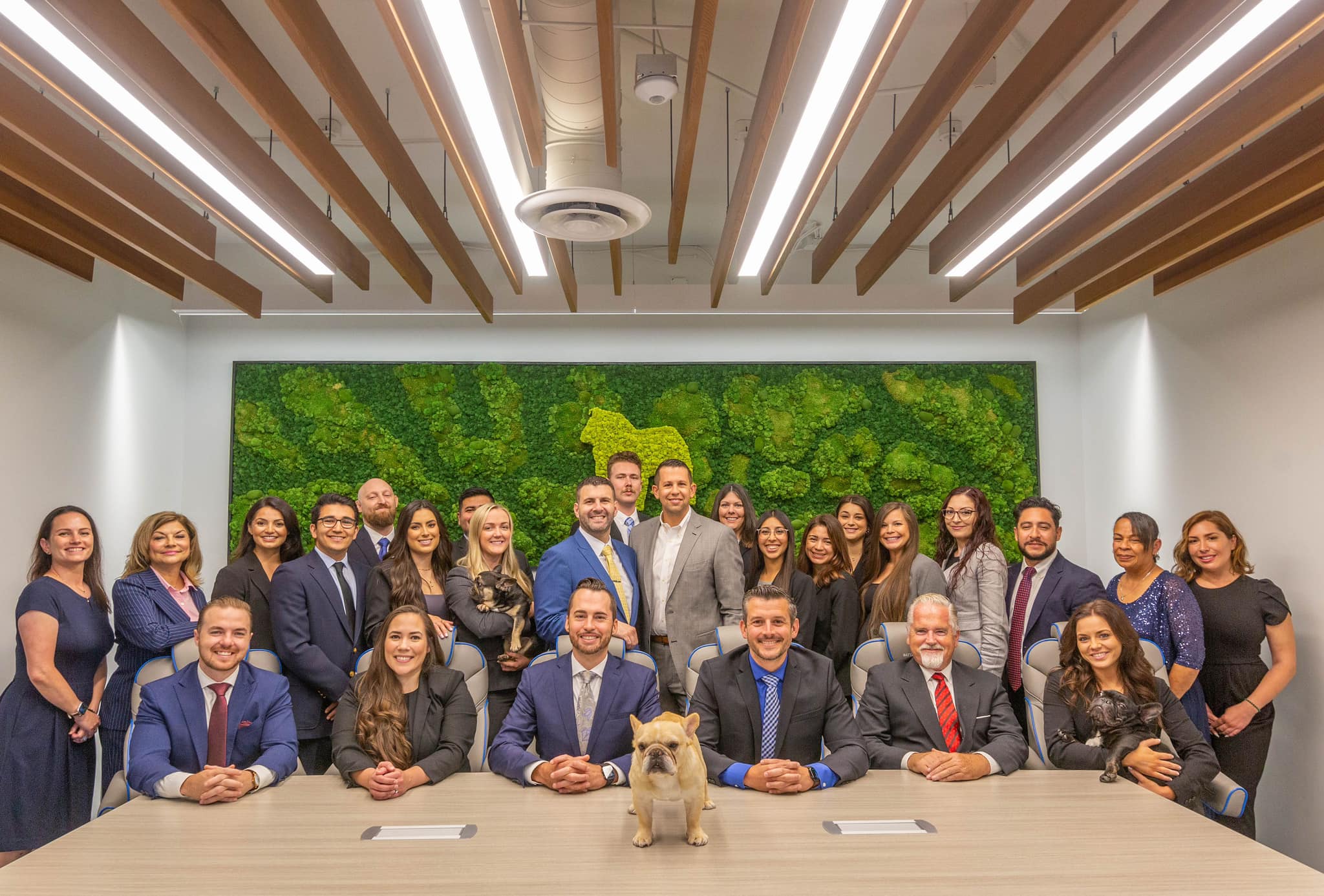
We trust you found value in this blog article: What to Do After a Car Accident in San Diego: Step-by-Step Guide (2026). We also hope you never need us, but if you or anyone you know might, we are always here to help!