



The average motorcycle accident settlement in California falls between $60,000 and $80,000 — and that number climbs fast when injuries are serious.
Here’s the thing: averages are a starting point, not a ceiling. A $70,000 settlement might be fair for a clean fracture that healed in three months. It’s nowhere near fair for a traumatic brain injury, a spinal cord injury, or a crash that’s permanently changed what you can do for work. What your case is worth depends on what happened to you — your injuries, your costs, and whether someone is fighting to document all of it.
This guide breaks down how California motorcycle accident settlements are calculated, what drives the number up or down, and what insurance companies do before you understand what your case is really worth.
Average Motorcycle Accident Settlement Amounts in California by Injury Type
California doesn’t publish official settlement data, but based on legal industry case reporting and litigation outcomes, here’s a realistic breakdown:
| Injury Type | Typical Settlement Range |
|---|---|
| Minor soft tissue injuries | $15,000 – $35,000 |
| Moderate fractures, significant road rash | $35,000 – $75,000 |
| Severe fractures requiring surgery | $75,000 – $150,000 |
| Traumatic brain injury (TBI) | $150,000 – $500,000+ |
| Spinal cord injury / paralysis | $300,000 – $1,000,000+ |
| Wrongful death | $500,000 – $2,000,000+ |
Ranges reflect represented settlements after negotiation. Unrepresented claimants typically recover significantly less.
The spread within each tier is wide on purpose. A construction worker with a shattered ankle faces different lost wage calculations than someone in an office role with the same injury. Future medical costs vary by treatment plan. Pain and suffering multipliers vary by case. Two people can have similar accidents and end up with very different settlements — depending on what got documented and who was fighting for them.
What Factors Determine Your Motorcycle Accident Settlement?
Severity and Permanence of Your Injuries
This is the biggest driver. Courts and insurance adjusters both anchor settlement value to how serious the injury is and whether it’s permanent. A fracture that heals in three months is worth less than a spinal injury that limits your mobility for the rest of your life. If your injuries are still developing — if you’re still in treatment, still being diagnosed — settling before the picture is clear is a mistake you can’t undo.
Medical Expenses, Past and Future
Every dollar you’ve spent belongs in your settlement: emergency room, surgery, hospitalization, physical therapy, medication, follow-up care. So does every dollar you’re going to spend. Future medical costs are the most commonly underestimated piece of a motorcycle accident claim — especially in cases involving ongoing rehab or long-term care needs.
Lost Wages and Reduced Earning Capacity
If your injuries kept you out of work, those wages are recoverable. If they’ve permanently reduced what you’re able to earn — because you can’t stand for eight hours, lift what you used to, or do the job you trained for — that lost earning capacity belongs in your settlement too. California courts allow full recovery of both, and in serious cases, these numbers are substantial.
Pain and Suffering
Pain and suffering refers to the physical pain and emotional distress caused by your injuries — and California does not cap these damages in personal injury cases. They’re typically calculated as a multiplier of your medical expenses (commonly 1.5x to 5x depending on severity) or using a daily rate over your recovery period. In catastrophic injury cases, pain and suffering can be the largest single component of your settlement.
Fault Percentage Under California’s Comparative Negligence Rule
California follows pure comparative negligence: your settlement is reduced by whatever percentage of fault is assigned to you. If you’re 25% at fault and your total damages are $200,000, you recover $150,000.
Insurance companies know this rule better than most attorneys, and they’ll use it. Expect them to point to your speed, your helmet, your lane position, your riding history — anything to shift the math in their favor. Every additional percentage point of fault they assign to you is money that stays with them.
What Can You Actually Recover? Economic vs. Non-Economic Damages
California allows motorcycle accident victims to recover both categories in full:
Economic damages — documented financial losses:
- Medical bills (past and future)
- Lost wages
- Reduced earning capacity
- Motorcycle repair or replacement
- Rehabilitation and adaptive equipment
- In-home care costs
Non-economic damages — the human costs:
- Pain and suffering
- Emotional distress
- Loss of enjoyment of life
- Loss of consortium (impact on your relationship with a spouse or partner)
- Disfigurement or permanent scarring
Both are fully recoverable. The insurance company will calculate both in a way that minimizes the total. That’s not cynicism — it’s their job. Your attorney’s job is to calculate them the other way.
What Insurance Companies Do Before You Know What Your Case Is Worth
Adjusters move fast after a crash. There’s a reason for that.
They want to reach you before you understand the full extent of your injuries. Before you’ve had a second medical opinion. Before you know whether that concussion has lasting effects. An early settlement offer isn’t generosity — it’s a strategy to close your file before the full cost becomes clear.
A few things to know:
Early offers undercount future costs. Initial offers rarely reflect future medical care, long-term therapy, or lost earning capacity — because those numbers take time to calculate. Insurers count on you not waiting.
They’ll inflate your fault percentage. Every percentage point of fault they assign to you reduces what they owe. Questions about your speed, lane splitting, or helmet use aren’t casual — they’re building a case for why you share the blame.
Pain and suffering gets minimized. Non-economic damages are the hardest to quantify. That makes them the easiest to low-ball. An adjuster’s formula and a jury’s calculation in a serious case can differ by six figures.
If you’ve been hurt on a motorcycle, speaking with a San Diego motorcycle accident lawyer before you talk to an adjuster is one of the most important decisions you can make.
How Long Does a California Motorcycle Accident Settlement Take?
Most motorcycle accident settlements in California resolve within 6 to 18 months. The main variables:
- Injury complexity — straightforward fractures settle faster than TBI or spinal cases, which need longer medical documentation before the full cost is calculable
- Liability disputes — contested fault means longer negotiations or litigation
- Carrier behavior — some insurers negotiate in good faith; others delay by design
- Whether you file suit — filing a lawsuit often accelerates settlement even without going to trial; it signals you’re serious
California’s two-year statute of limitations (CCP § 335.1) gives you time. But evidence disappears, witnesses forget, and injury records become harder to reconstruct as time passes. Don’t rush a settlement — but don’t wait to get started.
Frequently Asked Questions
What is the average motorcycle accident settlement in California?
The average motorcycle accident settlement in California ranges from $60,000 to $80,000 for moderate injuries. Cases involving traumatic brain injury, spinal cord damage, or long-term disability regularly exceed six figures. The number that matters is what your specific injuries are worth — an attorney can give you a realistic assessment based on your actual situation.
What factors most affect my motorcycle accident settlement?
The biggest drivers are injury severity, total medical costs (past and future), lost wages, and pain and suffering. Fault percentage is also critical — California’s pure comparative negligence rule reduces your award by whatever fault percentage the insurer can assign to you, which is one of the most important things an experienced attorney fights.
How long does a motorcycle accident settlement take in California?
Most cases settle within 6 to 18 months. Severe injury cases or those with disputed liability can take longer — occasionally 2 to 3 years if litigation is required. Involving an attorney early, documenting injuries fully, and not settling before your medical picture is clear all help.
Should I accept the insurance company’s first offer?
Almost never. First offers are designed to close your case before you understand your full costs. Once you accept, you typically can’t pursue additional compensation. Get a legal opinion on the offer before agreeing to anything.
Can I still recover if I was partially at fault?
Yes. California’s pure comparative negligence law allows recovery even when you share some responsibility. Your award is reduced by your fault percentage — 25% at fault on $100,000 in damages means you recover $75,000. Insurance companies push hard to inflate that number, which is one of the strongest reasons to have an attorney in your corner.
Find Out What Your Case Is Worth
The average motorcycle accident settlement in California is a starting point. What your case is worth is a different question — and it depends on your injuries, your costs, and who’s doing the math.
Batta Fulkerson has recovered nearly $250 million for injury victims across San Diego and Southern California, with a 98% success rate across 15,000+ cases. They work on contingency — no fees unless they win.
Call (619) 333-5555 for a free consultation. No fees unless we win.
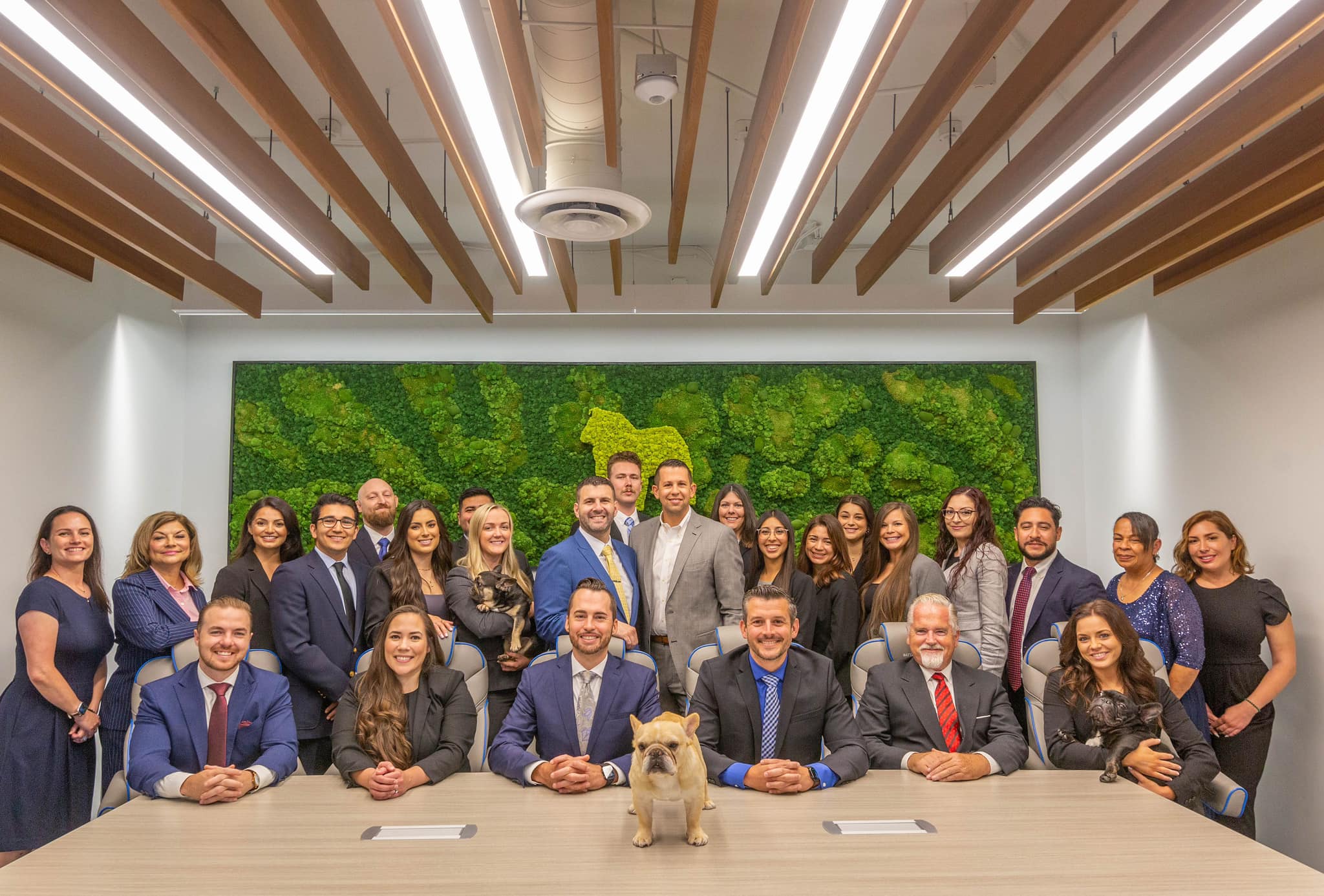
We trust you found value in this blog article: Average Motorcycle Accident Settlement California (2026). We also hope you never need us, but if you or anyone you know might, we are always here to help!