


Updated September 10, 2026
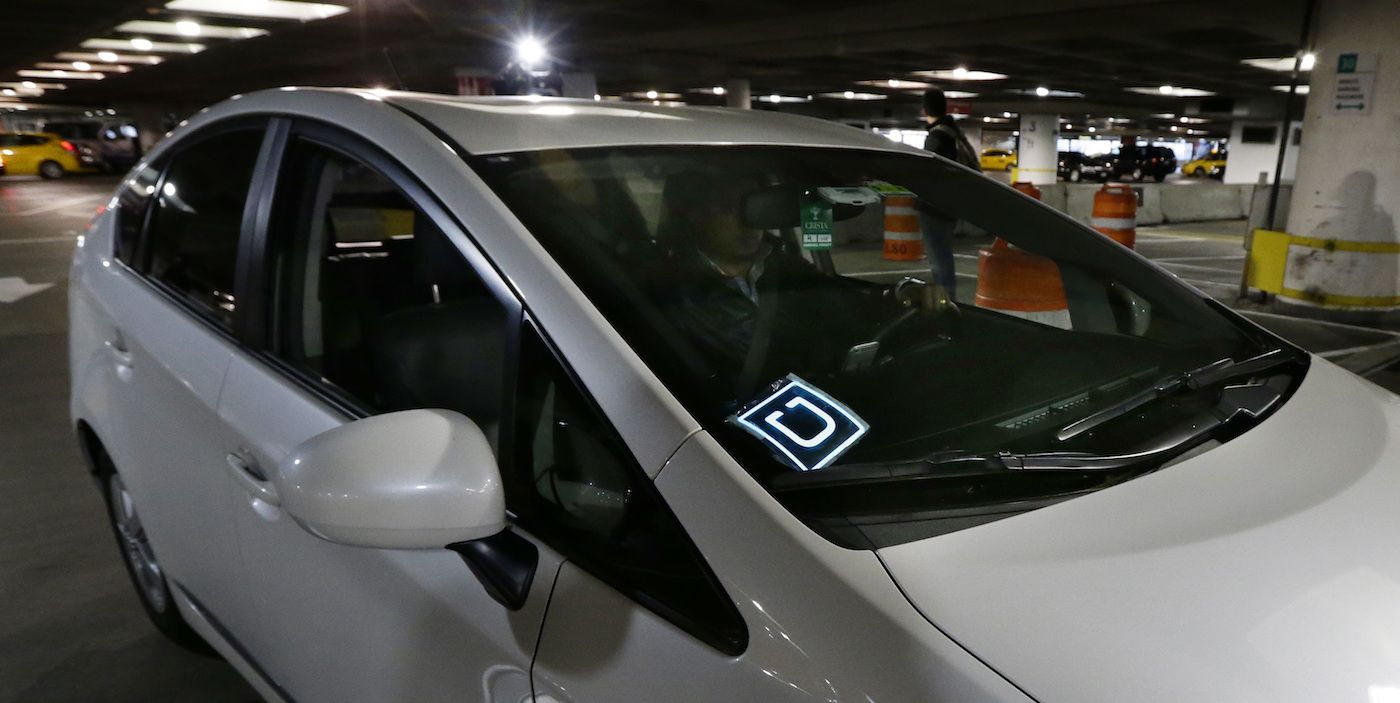
If you need a San Diego rideshare accident lawyer, here’s the short version: get medical care first, then get an attorney involved before you talk to any insurance adjuster. Uber and Lyft accidents in San Diego run on rideshare insurance rules that are nothing like a regular car insurance claim. Coverage depends on a three-phase system, California just changed the law behind it, and the companies whose app you were riding in are not on your side once a claim is on the table.
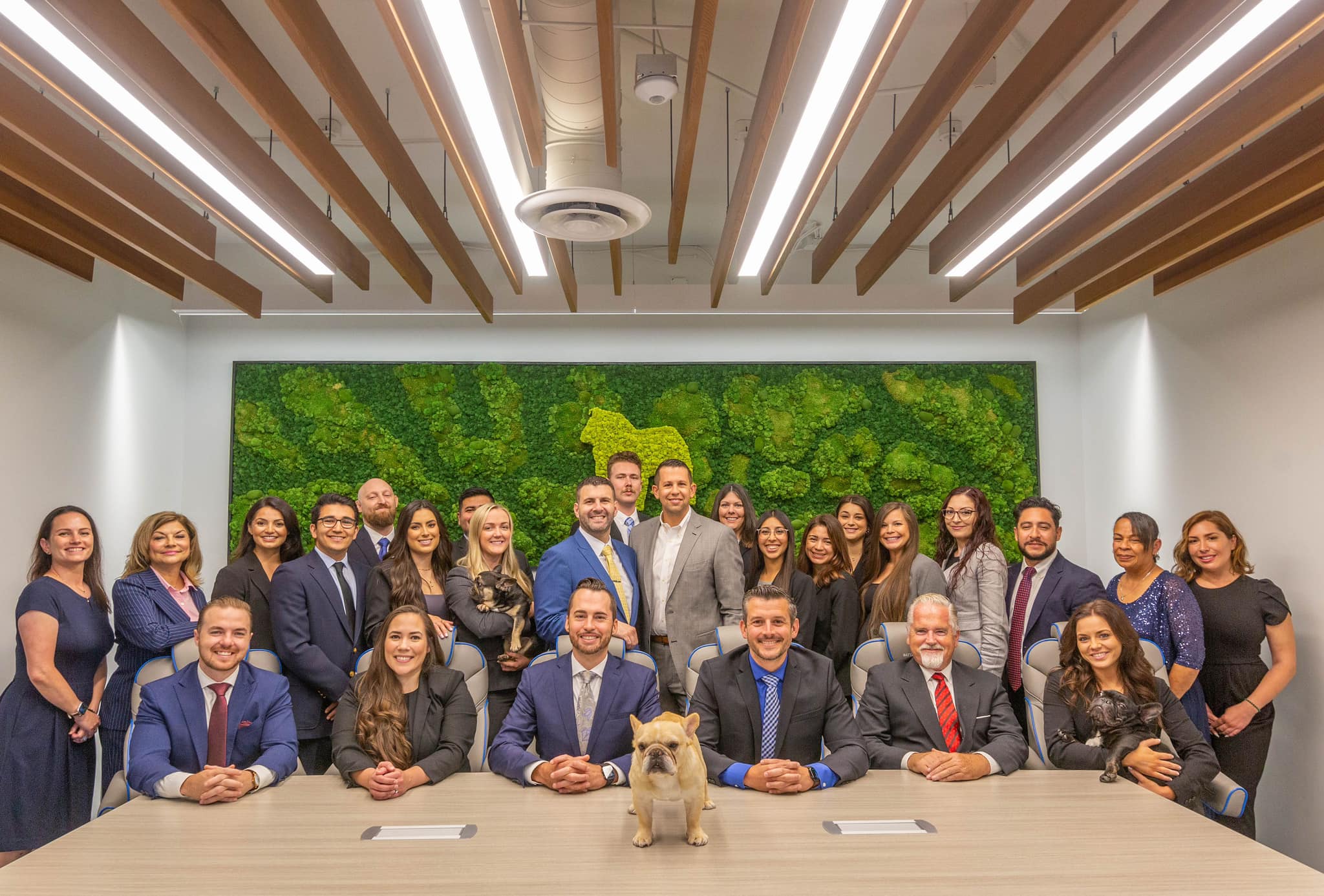
Our San Diego rideshare accident lawyers handle Uber and Lyft cases every week. Paul Batta and Dan Fulkerson have recovered nearly $250 million for injured clients across Southern California, with a 98% success rate. Call (619) 333-5555 anytime, day or night. There’s no fee unless we win.
Rideshare Accidents Are Climbing
Rideshare has become part of daily life in San Diego. A ride downtown on a Friday night, a trip to the airport, a safe way home from a Padres game. Most rides go fine. When one doesn’t, the insurance picture gets complicated fast, and the companies involved are not going to make it simple for you.
The numbers back this up. Lyft’s 2024 Safety Transparency Report, covering 2020 through 2022, recorded 111 motor vehicle fatalities involving Lyft rides during that period. That was a 31% increase in incident frequency and a 14% increase in the fatality rate per 100 million miles traveled compared to the prior reporting period. Uber’s fatality rate rose from 0.62 to 0.87 per 100 million miles traveled between its two most recent reporting periods.
Both companies still report fatality rates below the national average of 1.36 per 100 million miles. But the trend is moving the wrong way, and research published in the Journal of Urban Economics found that each additional 100 rideshare trips in a given area increases the odds of an injury crash by 4.6%. Cities with active Uber and Lyft markets see roughly 3% more traffic accidents than comparable cities without rideshare service. San Diego is one of the most active rideshare markets in California, and the insurance rules that apply here just changed.
How Uber and Lyft Insurance Actually Works
This is the part most people get wrong, and it’s exactly what the insurance companies count on. Rideshare coverage is not one flat policy. It depends entirely on which of three phases the driver was in at the moment of the crash, and the gap between those phases can be the difference between a $50,000 payout and a $1 million one. A San Diego rideshare accident lawyer starts every case by pinning down exactly which phase applied to yours.
Period 1: App On, No Ride Accepted Yet
The driver has the app open but hasn’t accepted a ride request. This is the thinnest coverage window:
- $50,000 bodily injury per person
- $100,000 bodily injury per accident
- $25,000 property damage per accident
A driver’s personal auto policy usually won’t cover commercial activity like this, and Uber or Lyft’s $1 million policy hasn’t activated yet. This gap has left plenty of injured people with far less coverage than they expected.
Periods 2 and 3: En Route and During the Trip
Period 2 starts when the driver accepts a ride request and heads to pick up the passenger. Period 3 runs from pickup to drop-off. Once a driver is in either period, the full coverage applies:
- $1 million liability per accident
- $1 million uninsured/underinsured motorist coverage per accident
If the rideshare driver causes the crash, that $1 million is available. If another driver causes the crash and doesn’t carry enough insurance of their own, which happens often, the rideshare company’s uninsured motorist policy still covers you. As a passenger during an active trip, you’re protected either way.
California’s Rideshare Insurance Law Changed in 2026
California Senate Bill 371 took effect January 1, 2026, and it lowered the required uninsured and underinsured motorist coverage for rideshare companies from $1 million down to $60,000 per person and $300,000 per accident. That’s a significant cut, and it can directly affect how much compensation is available when the at-fault driver in your crash doesn’t carry enough insurance of their own.
Uber and Lyft can still choose to carry higher limits voluntarily, but they’re no longer required to. Knowing exactly what coverage applies to your specific accident, and when, takes a rideshare accident lawyer who handles these cases regularly, not a guess based on what the app said.
What to Do Right After an Uber or Lyft Accident
What you do in the first hour matters more than most people realize, because the rideshare company’s insurer starts building its file almost immediately.
- Call 911. Even if the crash looks minor. A police report is documentation you’ll need later, and skipping this step gives the insurance company an opening.
- Get medical attention right away. Adrenaline hides pain. Whiplash, concussions, and soft tissue injuries often don’t show up for hours or days, and a gap in treatment is the first thing an adjuster will use against you.
- Screenshot your ride details in the app while the trip still shows as active. Capture the driver’s name, the vehicle information, and the trip status. This is what establishes which insurance period applied.
- Document the scene. Photograph every vehicle involved, the point of impact, road conditions, traffic signs, and any visible injuries.
- Get witness information. Names and phone numbers, before people leave the scene.
- Report the crash in the app. Both Uber and Lyft have built-in accident reporting, and doing this creates an official company record.
- Talk to a rideshare accident lawyer before you talk to any adjuster. Uber and Lyft’s insurers may reach out fast. They are not calling to help you. Don’t give a recorded statement, accept an early settlement, or sign anything before you’ve had a case evaluated.
Who Can Be Held Liable in a Rideshare Accident?
A rideshare crash usually pulls in more potential defendants than a standard two-car accident. Depending on the facts, liability can fall on:
- The Uber or Lyft driver if their negligence, such as speeding, distracted driving, or running a light, caused the crash. During Periods 2 and 3, the corporate policy applies to their conduct.
- Uber or Lyft as a company, since the $1 million corporate policy covers injured passengers and drivers during an active trip. In some cases, such as negligent hiring or ignoring a known dangerous driver on the platform, the company can carry additional liability of its own.
- Another driver, if a third party caused the crash. Their insurance is the primary source of recovery, and if they’re uninsured or underinsured, the rideshare company’s coverage steps in as backup.
- Multiple parties at once. California’s pure comparative fault rules allow liability to be split across more than one defendant. Finding every liable party and every available policy is the job of a San Diego rideshare accident lawyer who does this work daily, not something to sort out on your own while you’re still recovering.
Why Rideshare Cases Are More Complicated Than a Regular Car Accident
A typical car accident involves two drivers and two insurance companies. A rideshare accident can involve the driver’s personal insurer, the rideshare company’s commercial policy, another driver’s insurer, and potentially the rideshare company itself, all at the same time, and all arguing over which policy is actually primary.
Insurers for rideshare companies know exactly how to slow down or shrink a claim. They’ll dispute which period was active, whether the driver was really “on the job,” or whether your injuries existed before the crash. Fighting that takes a firm that already knows how these companies operate.
Our office has handled dozens of Uber accident cases and Lyft accident cases across San Diego. We know which insurers these platforms use, how they process claims, and where they push back the hardest. That familiarity is often the difference between a fast, lowball offer and a settlement that actually reflects what you’re owed. See what our clients have said about working with us on cases like yours.
Frequently Asked Questions About Uber and Lyft Accidents
Are Uber and Lyft passengers always covered if there’s an accident?
Yes, during an active trip. Periods 2 and 3 carry $1 million in liability coverage and $1 million in uninsured/underinsured motorist coverage, and you’re covered whether your driver was at fault or another driver caused the crash. The gap is Period 1, when the driver has the app on but hasn’t accepted a ride yet.
What are the insurance phases for Uber and Lyft in California?
Period 1 (app on, no ride accepted) carries $50,000/$100,000 liability. Periods 2 and 3 (accepted ride through drop-off) carry $1 million liability and $1 million uninsured/underinsured motorist coverage. Under California’s SB 371, effective January 1, 2026, the required UM/UIM minimum dropped to $60,000 per person and $300,000 per accident, though carriers can still choose to carry more.
Who is liable in a rideshare accident?
It depends on the phase. During an active trip, Uber or Lyft’s $1 million policy applies, and the driver, the company’s insurer, or both may share liability. If another driver caused the crash, their insurance is primary. A San Diego rideshare accident lawyer’s job is to track down every possible source of recovery, not just the obvious one.
Can I sue Uber or Lyft directly?
Most claims are filed against the company’s insurance policy rather than against Uber or Lyft directly. If negligent hiring or a failure to enforce basic safety practices contributed to the crash, a direct claim against the company may be an option. An attorney can assess whether that applies to your case.
What’s the deadline to file a rideshare accident claim in California?
Two years from the date of the accident under California Code of Civil Procedure Section 335.1. If a government entity was involved, that window shrinks to six months. Evidence disappears quickly, and the rideshare companies document their side of the story right away, so don’t wait to get an attorney involved.
Do I need a rideshare accident lawyer for an Uber or Lyft claim?
You’re not required to hire one, but rideshare cases involve more insurers, more disputed coverage periods, and more experienced defense teams than a standard accident claim. Most rideshare accident attorneys, including ours, work on contingency, so there’s no upfront cost to get help.
What if I was the Uber or Lyft driver and I got hurt?
Drivers are protected too. During Period 1, your personal auto insurance applies. During Periods 2 and 3, the $1 million corporate policy covers you. If you were hurt while driving for one of these platforms, call us. Drivers have rights here as well.
Talk to a San Diego Rideshare Accident Lawyer Today
Uber and Lyft accidents move fast, and the insurance companies start building their case files immediately. The longer you wait to bring in a San Diego rideshare accident lawyer, the harder it becomes to recover what you’re actually owed.
Our Uber accident attorneys and Lyft accident lawyers handle these cases every week. We know these companies, their insurers, and their tactics. We don’t take lowball offers, and we don’t disappear after you sign with us.
Nearly $250 million recovered. 98% success rate. No fee unless we win.
Call (619) 333-5555, available 24 hours a day, 7 days a week, or reach us through our contact page and we’ll respond the same day. You got hurt. We’ll handle the rest.
We trust you found value in this blog article: San Diego Rideshare Accident Lawyer (Uber & Lyft Accidents). We also hope you never need us, but if you or anyone you know might, we are always here to help!